
A dishwasher is connected to both a water supply and a drainage system. If a supply hose bursts, a drain hose becomes disconnected, a door seal fails, or the appliance unexpectedly overflows, water can escape into the kitchen and spread into surrounding areas. Even a relatively small leak can cause substantial damage when water travels underneath cabinets, beneath flooring, or through the ceiling into a room below.
The financial consequences can be considerable. Repairs may involve removing kitchen cabinets, replacing damaged flooring, drying the subfloor, repairing plasterboard, treating mould, and restoring electrical or plumbing installations. In more serious cases, the water can affect adjoining rooms and damage furniture, appliances, and personal belongings.
The good news is that homeowners insurance often covers water damage caused by a sudden and accidental dishwasher leak. However, coverage is not automatic. Insurers generally distinguish between an unexpected incident and damage that develops gradually because of a worn component, neglected maintenance, or an unresolved leak.
The distinction is important in the United States, United Kingdom, and Canada. Although the insurance terminology and legal framework differ, the central question is often similar: Was the damage caused by an insured event, or did it result from deterioration or a problem that should have been addressed earlier?
This guide explains how homeowners insurance generally treats dishwasher leaks, what types of damage may qualify, which costs are commonly excluded, how to document a claim, and what homeowners can do to protect their property.
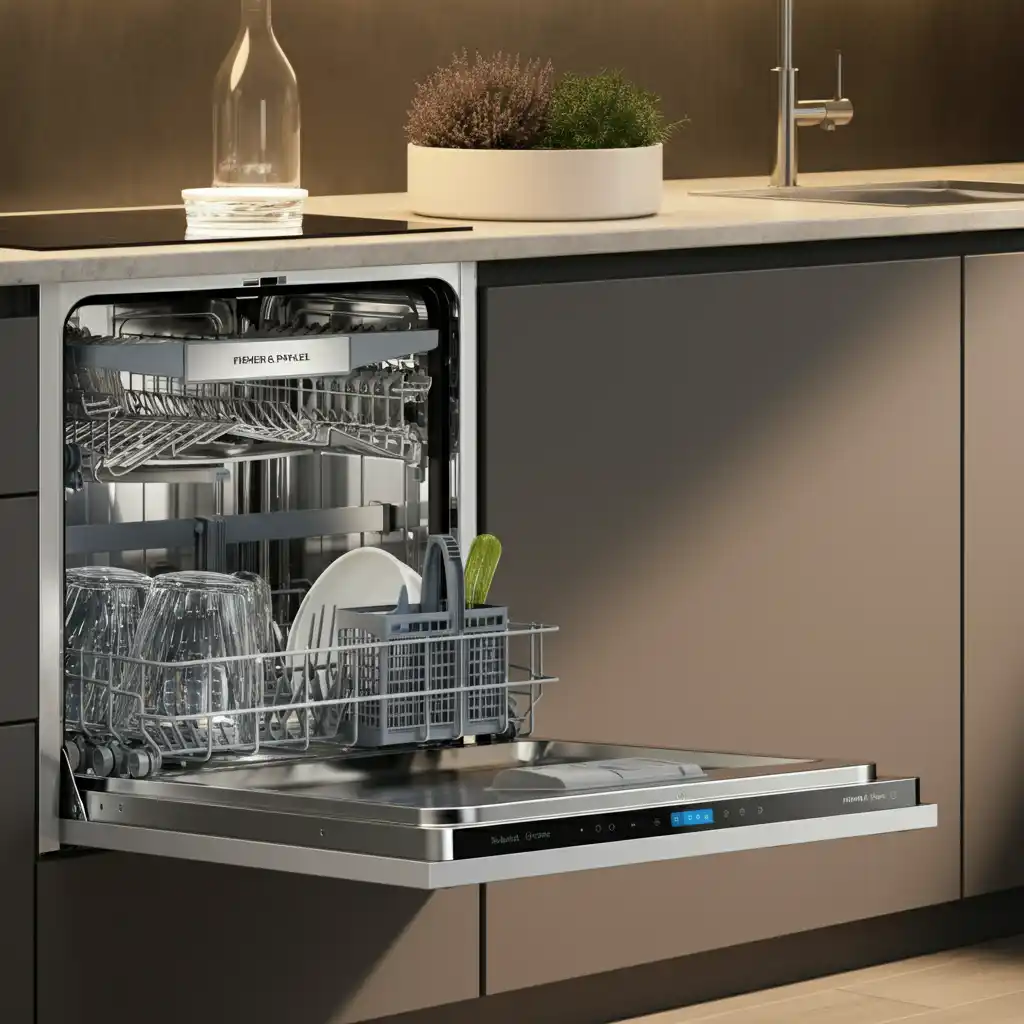
1. Does Homeowners Insurance Cover Water Damage From a Leaking Dishwasher?
In many cases, yes. A standard homeowners insurance policy may cover damage to the home caused by water that suddenly and accidentally escapes from a dishwasher. Examples include a supply hose that unexpectedly ruptures, a drain connection that suddenly comes loose, or an appliance that unexpectedly overflows during a wash cycle.
The important point is that the policy may cover the resulting property damage rather than the mechanical failure itself. For example, if a dishwasher hose suddenly bursts and floods the kitchen, the insurer may consider paying for covered damage to the cabinets, flooring, walls, and other insured property. The cost of replacing the failed hose or repairing the dishwasher may remain the homeowner’s responsibility.
This general approach is reflected in insurance guidance in the United States and Canada, where sudden and accidental water damage from household appliances is commonly recognised as an insurable event. In the UK, similar incidents are often considered under a policy’s escape-of-water section. The precise wording, exclusions, limits, and excess still determine the final decision.
A dishwasher leak does not automatically qualify simply because water has escaped. The insurer may investigate how long the leak existed, what caused it, whether the homeowner knew about it, and whether reasonable steps were taken to prevent additional damage.
For example, consider two situations:
- Situation A: A dishwasher is operating normally when its water supply hose suddenly splits. Water spreads across the kitchen floor and damages the cabinets. This is more likely to meet the definition of sudden and accidental water damage.
- Situation B: A dishwasher has been dripping from a worn door seal for several months. The homeowner ignores the problem until the cabinets and flooring become badly damaged. The insurer may argue that the damage resulted from gradual deterioration or inadequate maintenance.
The difference between these situations can determine whether a claim is accepted, partly accepted, or declined.
2. Understanding Sudden and Accidental Water Damage
Insurance policies are designed to protect homeowners against specified unexpected losses rather than every cost associated with owning and maintaining a property.
Sudden and accidental water damage generally means that water escaped unexpectedly from a source that should normally contain or control it. The event may happen quickly, although the resulting damage can continue developing until the water is stopped and the affected area is dried.
A dishwasher can cause this type of loss in several ways.
Sudden rupture of a water supply hose
A dishwasher normally receives water through a connected supply hose. If that hose unexpectedly splits, cracks, or disconnects, water can escape while the appliance is operating or while the supply remains pressurised.
This can be particularly serious because water may continue flowing even after the dishwasher cycle has stopped. If the homeowner is away or the leak occurs overnight, the amount of water released may be substantial.
When the rupture is unexpected and accidental, the resulting damage may qualify under the water-damage provisions of the home insurance policy.
Unexpected drain hose failure
The drain hose carries wastewater away from the dishwasher. If it suddenly disconnects, develops a significant opening, or fails during a cycle, wastewater may spill into the kitchen.
The water may contain food residue, detergent, grease, and other contaminants. This can complicate the drying and cleaning process, especially if wastewater enters porous materials or concealed spaces.
Coverage depends on the policy’s definition of water damage and any applicable exclusions. A sudden accidental failure is generally a stronger claim circumstance than a long-standing leak from a deteriorated connection.
Unexpected dishwasher overflow
A dishwasher may overflow because of a sudden malfunction, a faulty water-control component, or an unexpected failure in its operation.
If the overflow is accidental and causes damage to the home, the resulting loss may be covered under the relevant policy terms.
However, if the overflow was caused by a known problem that the homeowner repeatedly ignored, the insurer may examine whether maintenance-related exclusions apply.
Sudden failure of a door seal
The rubber gasket around the dishwasher door helps prevent water escaping during operation. A seal may suddenly become displaced or fail, allowing water to spill onto the kitchen floor.
If the failure is unexpected, resulting damage may qualify for consideration under the policy. The insurer may nevertheless distinguish between damage caused by a sudden event and the cost of replacing a seal that has deteriorated through normal use.
Unexpected internal component failure
A dishwasher contains pumps, valves, sensors, hoses, and other components. A sudden malfunction may cause water to escape into the kitchen.
The fact that a mechanical component has failed does not automatically mean that the appliance repair is insured. The insurer will normally assess the resulting property damage separately from the cost of repairing the faulty component.
The general distinction between sudden accidental damage and gradual leakage is recognised in insurance guidance and policy examples in the United States, Canada, and the UK.
3. When Is Water Damage From a Dishwasher Leak Not Covered?
One of the most important exclusions in homeowners insurance is damage caused by gradual leakage, deterioration, or lack of maintenance.
Insurance is not generally intended to pay for every repair that becomes necessary as a home and its appliances age. A homeowner is normally responsible for maintaining the dishwasher, its hoses, plumbing connections, and surrounding property.
A claim may be rejected or restricted when the insurer establishes that the damage resulted from an excluded cause.
Gradual leakage over several weeks or months
A slow leak may release only a small amount of water each time the dishwasher operates. The water can accumulate beneath the appliance, gradually soaking the floor and cabinet structure.
At first, there may be no visible water on the kitchen floor. Over time, however, the cabinet base may swell, flooring may lift, and unpleasant odours or mould may develop.
If the insurer determines that the damage resulted from prolonged leakage, it may rely on a gradual-damage exclusion.
The exact wording matters. Some policies use specific time periods, while others refer more generally to gradual deterioration, repeated leakage, or damage occurring over time.
Worn-out hoses and seals
Dishwasher hoses and door seals can deteriorate through normal use, heat, pressure, movement, and age.
If a hose has been visibly cracked for a long time or a seal has been leaking during repeated cycles, the insurer may argue that the damage was foreseeable and should have been addressed.
The cost of replacing a worn hose or seal is generally considered maintenance rather than an insured loss.
However, the existence of an old component does not necessarily settle the question of whether the resulting water damage is covered. The insurer should assess the actual cause of the loss and the relevant policy wording.
Poor installation
Incorrect installation can cause water to escape from supply connections, drainage connections, or other fittings.
For example, a poorly secured drain hose may gradually loosen and leak whenever the dishwasher drains.
The insurer may examine whether the damage resulted from defective workmanship, improper installation, or a separate sudden event. Some policies exclude the cost of correcting faulty workmanship but may treat resulting damage differently.
Homeowners should retain installation records and invoices because they can help establish when and how the appliance was installed.
Ignoring visible warning signs
A homeowner may notice water appearing around the dishwasher but continue using it without investigating the cause.
Warning signs include:
- Repeated puddles near the appliance.
- A damp smell inside kitchen cabinets.
- Swollen cabinet panels.
- Discolouration around the dishwasher.
- Water stains on flooring.
- Repeatedly damp skirting boards.
- A musty smell that becomes stronger after a wash cycle.
If the homeowner knew about a leak and failed to take reasonable action, the insurer may argue that the damage could have been prevented or reduced.
Damage caused by neglect
Homeowners are generally expected to take reasonable care of their property. Failure to maintain hoses, repair obvious leaks, or respond to visible water damage can create problems when making a claim.
This does not mean that every unnoticed leak is automatically excluded. The circumstances matter, especially when the leak is concealed behind a dishwasher or beneath kitchen units.
Insurance regulators and consumer guidance distinguish between unexpected events and predictable maintenance problems. Policy wording remains the starting point for deciding whether a particular loss is covered.
4. What Parts of Your Home May Be Covered After a Dishwasher Leak?
When a dishwasher leak is accepted as an insured event, the insurer may consider several categories of property damage.
The exact coverage depends on the type of home insurance, the insured property, the policy limits, and any exclusions.
Kitchen flooring
Water can spread beneath vinyl, laminate, engineered wood, hardwood, tile, or other flooring materials.
Some floors may appear dry on the surface while water remains underneath. This can cause swelling, lifting, separation, staining, or damage to the subfloor.
If the flooring damage resulted from a covered sudden and accidental leak, the insurer may consider the reasonable cost of repairing or replacing the affected area.
However, matching older flooring, replacing an entire continuous floor, and upgrading to a different material may be treated differently from repairing the directly damaged section.
Kitchen cabinets
Cabinet bases and side panels are particularly vulnerable because they may be made from materials that absorb water.
Water can cause:
- Swelling of cabinet boards.
- Peeling laminate.
- Damaged edges and joints.
- Warped doors.
- Discoloured surfaces.
- Deterioration of cabinet supports.
- Mould growth in concealed areas.
The insurer may consider repairing or replacing damaged cabinetry if the cause of the damage is covered.
A dispute can arise when the cabinets show signs of prolonged exposure. The insurer may request an inspection to determine whether the damage was caused by one sudden incident or a long-term leak.
Walls and plasterboard
Water may travel behind cabinets and into wall cavities. It can damage plasterboard, insulation, skirting boards, paint, and decorative finishes.
If water reaches a room below, the ceiling may develop stains, bubbling paint, soft areas, or structural deterioration.
Covered repairs may include removing damaged materials, drying the affected structure, and restoring the property to an appropriate condition.
Subfloor and structural timber
Water trapped beneath flooring can affect timber supports, floorboards, and other concealed materials.
Prolonged moisture can lead to rot and mould. The cost of repairing concealed damage may be substantial because contractors sometimes need to remove finished flooring and cabinetry to inspect the underlying structure.
Whether these costs are covered depends on the original insured event and the policy’s treatment of gradual damage and resulting loss.
Personal belongings
Water may damage items stored in kitchen cabinets or nearby rooms.
Examples include:
- Small kitchen appliances.
- Electrical equipment.
- Rugs and mats.
- Furniture.
- Books and documents.
- Clothing stored in nearby cupboards.
- Other household possessions.
A homeowners policy that includes contents or personal-property coverage may cover eligible belongings damaged by a covered dishwasher leak.
The insurer may apply limits for particular categories of belongings, so expensive equipment, jewellery, artwork, or specialist items should be checked separately.
Electrical installations
Water entering electrical outlets, wiring, appliances, or other installations can create safety hazards and require professional inspection.
If the resulting electrical damage is part of an insured loss, the policy may consider the necessary repair work. Homeowners should not assume that electrical equipment is safe simply because it continues working after exposure to water.
5. Does Homeowners Insurance Pay to Repair or Replace the Dishwasher?
Usually, homeowners insurance is more concerned with the resulting property damage than with the dishwasher’s own mechanical breakdown.
For example, suppose a dishwasher’s internal pump fails and water escapes onto the kitchen floor. The insurer may consider damage to the insured flooring and cabinets while excluding the cost of replacing the failed pump.
The distinction can be understood by separating the claim into two parts:
The cause of the incident: The dishwasher, hose, valve, seal, pump, or connection that failed.
The resulting damage: The water-damaged flooring, cabinets, walls, ceiling, and eligible personal belongings.
The first category is often a maintenance, appliance breakdown, or warranty issue. The second may fall under home insurance if the incident meets the policy’s requirements.
There can be exceptions. Some policies include additional appliance protection, equipment breakdown coverage, or other optional benefits. A home warranty or appliance protection plan may also provide separate coverage, although its terms and exclusions can be restrictive.
Homeowners should therefore check whether the appliance itself is protected under a separate warranty or service agreement rather than assuming that a home insurance claim will pay for a replacement dishwasher.
6. Does Homeowners Insurance Cover Mould Caused by a Dishwasher Leak?
Mould is one of the most complicated aspects of a dishwasher water-damage claim.
Mould can develop when moisture remains in flooring, cabinets, walls, insulation, or other materials. A dishwasher leak that is not detected quickly may create the damp conditions needed for mould growth.
Whether mould remediation is covered depends on the policy, the cause of the moisture, the timing of discovery, and any mould-related limits or exclusions.
Mould following a sudden covered leak
If a dishwasher hose suddenly bursts and causes covered water damage, the insurer may also consider reasonable mould remediation costs that arise directly from the insured incident.
However, this is not guaranteed. Some policies impose special limits, conditions, or exclusions for mould and microbial growth.
Mould resulting from a long-term leak
If mould develops because a dishwasher has been leaking slowly for months, the insurer may argue that the underlying cause is gradual damage or inadequate maintenance.
The claim may be declined or limited depending on the evidence and policy wording.
Why immediate drying matters
Water should be removed as quickly as reasonably possible. Wet carpets, cabinet panels, flooring, and other materials should be assessed and dried using suitable methods.
A homeowner should not simply cover a damp cabinet base with a new panel or paint over a water stain. Moisture trapped behind the repair can continue damaging the property.
Where there is extensive water intrusion, a professional water-restoration contractor may be needed to assess moisture levels, remove damaged materials, and determine whether specialist mould remediation is necessary.
Homeowners should also avoid disturbing extensive mould growth without appropriate precautions. People with respiratory sensitivities and other health concerns may need to avoid affected areas until the problem has been assessed.
7. Does Homeowners Insurance Cover Water Damage From a Dishwasher in the USA?
In the United States, standard homeowners insurance commonly provides coverage for certain types of sudden and accidental water damage from household appliances.
An unexpected dishwasher overflow or sudden hose failure may qualify, subject to the policy’s terms.
However, homeowners insurance policies differ between insurers, states, and individual contracts. The same incident may be treated differently depending on the wording and endorsements attached to the policy.
Dwelling coverage
Dwelling coverage, commonly known as Coverage A in many homeowners policy structures, generally protects the insured home’s physical structure.
Depending on the policy and circumstances, covered dishwasher water damage may include:
- Kitchen flooring.
- Subflooring.
- Permanently installed cabinets.
- Walls and ceilings.
- Certain built-in fixtures.
- Other insured structural components.
The insurer may determine which repairs are necessary and whether replacement or restoration is appropriate.
Personal property coverage
Personal property coverage, commonly known as Coverage C, may protect eligible belongings damaged by an insured event.
For example, if water escapes from a dishwasher and damages a small kitchen appliance, furniture, or other household belongings, the homeowner may be able to claim for those items.
The policy’s limits, exclusions, valuation method, and deductible still apply.
Additional living expenses
If covered damage makes the home or an essential part of it unsuitable for normal living, the policy may provide additional living expenses.
This may include eligible extra accommodation or other necessary expenses while covered repairs are being completed.
However, a minor dishwasher leak that affects only a small part of the kitchen will not necessarily qualify for temporary accommodation. The policy’s conditions and the actual impact on the home are important.
Deductibles in the USA
A deductible is the amount the homeowner must pay before the insurer contributes to an eligible claim.
For example, suppose the covered repair cost is $8,000 and the applicable deductible is $1,000. If the insurer accepts the full amount as covered and no other limits or adjustments apply, the potential insurance payment would be $7,000.
The actual settlement may be lower if some work is excluded, depreciation applies, or the insurer determines that certain costs are not reasonable or necessary.
State differences
Homeowners insurance is regulated at the state level, and policy forms and consumer protections can vary.
Homeowners should review their declarations page, water-damage provisions, exclusions, and any endorsements. A state insurance department can provide consumer guidance and information about submitting complaints.
The central principle remains that sudden and accidental appliance-related water damage may be covered, while maintenance-related and gradual damage may be excluded.
8. Does Home Insurance Cover Dishwasher Leaks in the UK?
In the United Kingdom, dishwasher leaks are commonly considered under the escape of water section of home insurance.
Escape of water generally refers to water that unexpectedly escapes from internal plumbing, fixed water installations, or connected household appliances.
A dishwasher supply hose that suddenly bursts or an unexpected appliance overflow may fall within this category, depending on the policy wording.
Buildings insurance
Buildings insurance protects the structure of the property and permanently installed fixtures.
A covered dishwasher leak may result in a claim for damage to:
- Kitchen floors.
- Fixed cabinets.
- Walls and ceilings.
- Skirting boards.
- Plasterwork.
- Other insured building elements.
The policy may also provide cover for certain reasonable costs associated with finding and accessing the source of an insured leak.
Contents insurance
Contents insurance may cover eligible movable possessions damaged by an insured dishwasher leak.
Examples include portable kitchen equipment, furniture, rugs, and other household belongings.
A homeowner should check whether their policy provides contents cover separately or as part of a combined buildings and contents policy.
Escape-of-water excess
UK policies frequently apply a specific excess to escape-of-water claims.
The excess is the amount the policyholder must contribute towards an accepted claim. It may be different from the standard buildings or contents excess.
For example, a policy might have a standard excess of £150 and a separate escape-of-water excess of £500. The applicable amount will depend on the actual contract.
A higher excess can make a small claim uneconomical, even when the incident is technically covered.
Trace and access cover
Finding the source of a leak can sometimes require removing kitchen units, flooring, panels, or other building materials.
Some UK policies provide trace-and-access cover. This may pay reasonable costs to locate and expose the source of an insured leak and, depending on the wording, make good the affected areas.
However, trace-and-access cover does not necessarily pay for repairing the failed hose, valve, or appliance component.
Homeowners should check the financial limit, excess, and exact definition of this benefit.
Accidental damage cover
Accidental damage is often an optional extension in UK home insurance.
It may provide additional protection for certain accidental incidents that are not included under the standard insured events.
However, accidental damage cover does not automatically remove exclusions for wear and tear, deterioration, or gradual leakage.
The Financial Ombudsman Service considers the policy wording, evidence about the cause, whether the homeowner could reasonably have known about the damage, and how quickly action was taken after discovery when reviewing disputes involving gradual damage.
UK consumer rights
Home insurance is separate from the legal rights a consumer may have against a retailer or installer.
If a dishwasher is faulty, the consumer may have rights under applicable consumer protection law, depending on the circumstances, purchase date, and whether the problem concerns the product or installation.
Those rights do not automatically mean that the home insurer must pay for water damage. The insurance claim and any claim against the seller or installer are separate matters.
9. Does Homeowners Insurance Cover Dishwasher Leaks in Canada?
In Canada, home insurance commonly covers sudden and accidental water damage caused by household appliances, including dishwashers, subject to the policy’s terms and exclusions.
The Insurance Bureau of Canada identifies water damage caused by malfunctioning appliances, including dishwashers, as a type of loss that is typically covered under home insurance.
However, the cost of repairing the appliance that caused the damage is generally not covered simply because the resulting water damage is insured.
Building coverage
Building coverage may pay for eligible damage to the insured home’s structure.
Depending on the circumstances, this may include:
- Kitchen cabinets.
- Flooring and subflooring.
- Walls and ceilings.
- Permanently installed fixtures.
- Other insured structural components.
The insurer will assess the cause, extent of damage, and applicable policy conditions.
Contents coverage
Contents coverage may protect eligible personal belongings damaged by the dishwasher leak.
For example, water that spreads from the kitchen into an adjoining room may damage furniture, electronic equipment, rugs, or other possessions.
The policy’s limits and special restrictions should be reviewed before assuming every item will be reimbursed in full.
Additional water-damage coverage
Canadian home insurance policies distinguish between different types of water damage.
Sudden and accidental water escape from an indoor appliance is different from overland flooding, groundwater seepage, or sewer backup.
Some of these other risks may require additional endorsements or separate coverage.
A dishwasher leak should not be confused with external flooding. A policy that covers accidental appliance leakage may not cover water entering the property from a river, surface runoff, or a backed-up sewer.
Deductibles and provincial differences
The applicable deductible depends on the policy and may differ for specific water-damage claims.
Insurance is regulated provincially and territorially, and consumer protection arrangements can vary. Homeowners should review their own policy and speak with their insurer or broker about any uncertainty.
10. USA, UK and Canada: Comparison of Dishwasher Leak Coverage
| Coverage issue | USA | UK | Canada |
|---|---|---|---|
| Sudden accidental dishwasher leak | Often covered, subject to policy terms | Often considered under escape-of-water cover | Typically covered, subject to policy terms |
| Gradual leakage | Commonly excluded or restricted | Commonly excluded or restricted | Commonly excluded or restricted |
| Damaged kitchen flooring | May be covered | May be covered | May be covered |
| Damaged cabinets | May be covered | May be covered | May be covered |
| Damaged personal belongings | May be covered under personal-property cover | May be covered under contents cover | May be covered under contents cover |
| Repairing the failed dishwasher component | Usually not covered | Usually not covered | Usually not covered |
| Mould remediation | Depends on cause and policy limits | Depends on cause and policy limits | Depends on cause and policy limits |
| Finding a concealed leak | Depends on policy and additional cover | Trace-and-access cover may apply | Depends on policy and endorsements |
| Temporary accommodation | May apply when covered damage makes the home uninhabitable | May apply under policy conditions | May apply under policy conditions |
This table describes common insurance approaches rather than guaranteed benefits. Individual policy wording takes priority.
11. What Should You Do Immediately When Your Dishwasher Leaks?
The actions taken immediately after discovering a leak can protect your home, reduce the extent of the damage, and help support an insurance claim.
Step 1: Stop the dishwasher
If the dishwasher is running, stop the cycle using the appliance controls if it is safe to do so.
Do not continue using the appliance to see whether the leak happens again. Repeated operation can increase the amount of water escaping.
Step 2: Turn off the water supply
If you can safely access the dishwasher’s water shut-off valve, close it.
The valve is often located beneath the kitchen sink or near the appliance connection.
If the water continues flowing or the shut-off valve cannot be reached safely, contact a qualified plumber or emergency service.
Step 3: Consider electrical safety
Water and electricity create a serious safety risk.
Do not touch electrical plugs, sockets, or appliances while standing in water. If the area is wet around electrical equipment, keep clear and seek qualified assistance.
If the electrical supply can be isolated safely from a dry location, follow appropriate safety procedures. Otherwise, contact a qualified electrician.
Step 4: Remove standing water
Once the area is safe, remove standing water using appropriate equipment and materials.
Water should not be allowed to remain beneath cabinets or flooring.
For extensive water intrusion, a professional restoration contractor may be necessary. They can assess moisture levels and determine which materials need drying or removal.
Step 5: Protect furniture and belongings
Move unaffected belongings away from the wet area where it is safe to do so.
Lift movable items from wet flooring and avoid placing wet objects against walls or cabinets.
Do not throw away damaged possessions before documenting them unless they present a health or safety risk.
Step 6: Photograph and record the damage
Take clear photographs and videos showing:
- The dishwasher.
- The visible leak.
- The water source, if identifiable.
- Damaged flooring.
- Swollen cabinets.
- Wet walls and skirting boards.
- Damaged furniture and belongings.
- Any visible water stains or mould.
Photograph the affected areas before major repairs begin, provided it is safe.
Step 7: Contact your insurer
Report the incident promptly and follow the insurer’s instructions.
Explain what happened, when it was discovered, what action was taken, and whether the water supply has been stopped.
Ask whether the insurer wants to inspect the property before damaged materials are removed or repairs begin.
Step 8: Arrange professional repairs
A plumber should identify and repair the source of the leak.
A restoration contractor may be needed to dry concealed spaces and assess water-damaged materials.
Keep invoices, reports, photographs, and receipts. These documents can help establish the cause and the reasonable cost of the work.
12. How to Make a Successful Dishwasher Water-Damage Insurance Claim
A well-documented claim is easier for an insurer to investigate than a claim supported by limited photographs and incomplete information.
There is no guarantee that a claim will be accepted, but good documentation can help establish what happened and distinguish sudden damage from gradual deterioration.
Record the date and time
Write down when the leak was discovered and when the dishwasher was last known to be operating normally.
If the leak happened while someone was at home, record what was observed.
If it was discovered after returning from work or a holiday, explain when the property was last checked.
Do not guess about the precise time if it is unknown.
Identify the likely cause
Ask a qualified plumber or appliance technician to investigate the source.
Possible findings include:
- A split supply hose.
- A disconnected drain hose.
- A failed door seal.
- A leaking water inlet valve.
- A faulty pump.
- An internal connection failure.
- A damaged drainage fitting.
A professional report can help the insurer understand whether the incident was sudden, accidental, or related to long-term deterioration.
Keep the failed component if practical
If a hose, seal, valve, or other component has failed, ask the repair professional whether it can be retained safely.
Do not delay essential repairs simply to preserve evidence. However, photographs of the failed part and a written explanation from the technician can be useful.
Prepare an inventory of damaged property
List damaged belongings, their approximate age, purchase price, and current condition.
Where available, include receipts, invoices, warranties, or photographs showing the items before the incident.
The insurer may assess whether settlement is based on replacement cost, actual cash value, or another method defined by the policy.
Obtain repair estimates
Depending on the insurer’s process, you may be asked to provide estimates for:
- Flooring repairs.
- Cabinet replacement.
- Wall and ceiling restoration.
- Drying and dehumidification.
- Mould remediation.
- Plumbing work.
- Replacement of damaged personal property.
Do not assume that the insurer will reimburse every estimate in full. It may appoint its own contractor or adjuster and determine the reasonable scope of covered work.
Keep communication records
Record the date, time, and content of important conversations with the insurer, adjuster, plumber, and restoration contractor.
Save emails, claim numbers, inspection reports, and written decisions.
If the insurer declines part of the claim, ask for a written explanation identifying the policy clause relied upon.
13. Why Do Insurance Companies Reject Dishwasher Leak Claims?
There are several reasons an insurer may reject or restrict a claim.
The leak was gradual
This is one of the most common issues.
The insurer may identify old water stains, swollen panels, mould, corrosion, or other evidence suggesting that the water escaped over an extended period.
However, the appearance of older damage does not always establish that the homeowner knew about the leak.
A concealed leak beneath a dishwasher or behind a cabinet may be difficult to discover. In the UK, the Financial Ombudsman Service has considered cases where hidden leaks caused damage gradually but the homeowner could not reasonably have known about them until the problem became visible.
The evidence and policy wording must be considered rather than assuming that every leak that occurred over time is automatically excluded.
The homeowner ignored a known problem
If the homeowner knew that water was leaking but continued using the dishwasher, the insurer may argue that reasonable steps were not taken to prevent further damage.
The insurer may distinguish between the initial incident and additional damage that occurred after the problem became apparent.
The damage resulted from wear and tear
A deteriorated hose, old seal, corroded fitting, or worn component may be excluded from coverage.
The insurer may still need to assess whether any resulting damage qualifies under another part of the policy.
The claim falls below the deductible
If the cost of eligible repairs is lower than the applicable deductible, there may be no payment from the insurer.
For example, if eligible repairs cost $700 and the deductible is $1,000, the homeowner would generally pay the full amount.
The policy does not include the relevant coverage
Some policies have restricted water-damage protection or specific exclusions.
A homeowner should not assume that every type of water-related loss is covered simply because the policy is described as comprehensive.
The insurer cannot establish the cause
If there is insufficient evidence to determine how the water escaped, the insurer may request further investigation.
A plumber’s report, photographs, and repair records can help clarify the incident.
14. Can an Insurance Company Reject a Claim if You Were Away From Home?
Being away from home does not automatically mean that a dishwasher leak is excluded.
However, some policies contain conditions relating to unoccupied homes, extended absences, or the use of water-consuming appliances.
For example, a policy may require the homeowner to turn off the water supply when leaving the property for a specified period. Other policies may impose additional requirements during cold weather or when a home is unoccupied.
The exact conditions vary.
Before going on holiday or leaving a property empty for an extended period, homeowners should check:
- Whether the policy defines an unoccupied period.
- Whether the main water supply must be turned off.
- Whether appliance isolation valves should be closed.
- Whether someone must inspect the property periodically.
- Whether the insurer requires notification of an extended absence.
A dishwasher should not be left running unattended if the manufacturer advises against it. Even where a policy does not explicitly prohibit unattended operation, avoiding unnecessary risk is sensible.
15. Does Home Insurance Cover a Dishwasher Leak in a Rental Property?
The answer depends on who owns the damaged property and which insurance policy applies.
A landlord and tenant generally have different insurance responsibilities.
Landlord insurance
A landlord’s buildings insurance may cover eligible damage to the structure caused by a sudden and accidental dishwasher leak.
If the dishwasher is supplied as part of the rental property, the landlord may also have separate landlord contents or appliance cover, depending on the policy.
The landlord should notify the insurer promptly and arrange necessary repairs.
Tenant insurance
A tenant’s contents insurance may cover eligible personal belongings damaged by an insured dishwasher leak.
For example, if water from the dishwasher damages the tenant’s laptop, furniture, or other belongings, the tenant may have a claim under their own contents policy.
Who is responsible for the leak?
Responsibility may depend on the cause.
If a dishwasher supplied by the landlord develops an unexpected fault, the landlord may be responsible for arranging appliance repairs, subject to the tenancy agreement and local law.
If the tenant has installed their own appliance incorrectly or has caused damage through misuse, the circumstances may be different.
A tenant should notify the landlord or property manager immediately after discovering a leak and should not delay action while trying to determine who is responsible.
16. What Is the Difference Between Homeowners Insurance, Appliance Warranty and Home Warranty?
These products protect different things, and homeowners should not assume they provide identical coverage.
| Protection type | Main purpose | Typical limitation |
|---|---|---|
| Homeowners insurance | Covers eligible damage to the insured property from specified events | May exclude gradual leakage and appliance breakdown |
| Manufacturer warranty | Covers specified product defects during the warranty period | Usually excludes water damage to the home and ordinary wear |
| Extended appliance warranty | Extends specified repair protection for the appliance | Coverage depends on exclusions, limits, and service terms |
| Home warranty or service contract | Provides specified repair or replacement services for covered household systems and appliances | May have service fees, exclusions, and claim limits |
For example, a dishwasher manufacturer warranty may cover a defective internal component. It may not pay for the damaged kitchen flooring.
Homeowners insurance may cover eligible damage to the flooring but exclude the defective component.
A home warranty may provide repair services for a covered dishwasher, but it may not pay for the resulting water damage.
These protections can complement one another, but they should not be treated as interchangeable.
17. How Much Can Dishwasher Water Damage Repairs Cost?
The cost of repairing dishwasher water damage depends on the amount of water released, how long it remained in the property, the materials affected, and the extent of restoration required.
A small leak limited to a removable floor mat may require little more than cleaning and drying.
A major leak beneath fitted cabinets may require extensive work.
Potential expenses include:
- Emergency plumbing attendance.
- Replacement of the failed hose or component.
- Water extraction.
- Industrial drying equipment.
- Moisture inspections.
- Removal of damaged flooring.
- Subfloor repairs.
- Cabinet removal and replacement.
- Wall and ceiling repairs.
- Painting and decorating.
- Electrical inspections.
- Mould assessment and remediation.
- Replacement of damaged belongings.
A relatively small visible puddle can conceal a much larger problem beneath the floor or cabinets.
The homeowner should not assume that the visible damage represents the full extent of the loss. Moisture readings and professional inspection may be needed before repairs are finalised.
18. Should You Make an Insurance Claim for a Dishwasher Leak?
Not every dishwasher leak should result in an insurance claim.
The homeowner should first establish the likely cost of repairs and compare it with the applicable deductible or excess.
For example, consider a hypothetical situation:
| Item | Example amount |
|---|---|
| Eligible repair estimate | $3,000 |
| Policy deductible | $1,000 |
| Potential payment before other adjustments | $2,000 |
This is only an illustration. Actual settlements depend on the insurer’s assessment, covered costs, limits, and policy conditions.
For a very small leak, the repair cost may be lower than the deductible. In that case, paying privately may be more practical.
For extensive damage involving cabinets, flooring, subflooring, or adjoining rooms, notifying the insurer promptly may be appropriate.
Homeowners should also consider their claims history, policy conditions, and any potential effect on future premiums. The impact of a claim on renewal pricing varies by insurer and jurisdiction, so it should not be assumed to be identical for every policyholder.
Importantly, homeowners should not delay reporting a potentially significant loss simply because they are uncertain whether it will exceed the deductible. They can contact the insurer to understand the reporting requirements and next steps.
19. How to Prevent Dishwasher Water Damage
Prevention is usually less expensive and less disruptive than dealing with a major water-damage claim.
Inspect the water supply hose
Check the dishwasher supply hose periodically for cracks, bulges, corrosion at fittings, kinks, or signs of moisture.
Replace damaged hoses promptly using a suitable component approved for the appliance.
Inspect the drain hose
Check the drain hose and its connections for leaks, movement, and visible deterioration.
A loose or poorly secured connection can release wastewater during a cycle.
Check the door seal
Inspect the rubber gasket around the dishwasher door.
Remove food debris and residue that may prevent the door from sealing properly. Replace a damaged gasket according to the manufacturer’s instructions.
Look for water after each cycle
Check the floor around the appliance after a wash cycle.
A small puddle may indicate an early problem with the door seal, hose, plumbing connection, or internal component.
Keep the dishwasher level
An improperly levelled dishwasher may affect operation and can contribute to leakage or drainage problems in some circumstances.
Follow the manufacturer’s installation instructions and have the appliance adjusted if necessary.
Avoid overloading the dishwasher
Incorrect loading can interfere with spray-arm movement or cause water to strike the door area in ways that may contribute to leakage.
Load dishes according to the appliance manual and ensure that spray arms can rotate freely.
Clean filters and spray arms
Food debris and blockages can interfere with normal dishwasher operation.
Clean filters and spray arms according to the manufacturer’s maintenance schedule.
Replace old hoses when appropriate
A hose that has been in service for many years may deserve closer inspection.
There is no single replacement interval that applies to every hose. Follow the appliance manufacturer’s guidance and replace components that show deterioration.
Consider a leak-detection device
Water leak sensors can be placed near a dishwasher or beneath a kitchen sink.
Some devices sound an alarm when they detect water. More advanced systems can send smartphone alerts or connect to an automatic water shut-off valve.
These devices do not replace regular maintenance, but they can help homeowners discover leaks earlier.
Turn off the water supply when appropriate
If the dishwasher will not be used for an extended period, consider closing its isolation valve if the installation allows it and the manufacturer or plumber advises it.
When leaving a property for a long holiday, review the home’s insurance conditions and take reasonable precautions against water damage.
20. What Should You Check in Your Home Insurance Policy?
A homeowner should review the policy before an incident occurs rather than trying to understand the wording during an emergency.
The following checklist can help identify important coverage details.
| Policy feature | What to check |
|---|---|
| Escape of water or water damage | Does the policy include sudden accidental appliance leaks? |
| Gradual damage exclusion | What wording applies to repeated or prolonged leakage? |
| Wear and tear | Are failed hoses, seals, and components excluded? |
| Buildings cover | Are flooring, cabinets, walls, and ceilings insured? |
| Contents cover | Are movable belongings protected? |
| Mould and rot | Are there special limits or exclusions? |
| Trace and access | Are investigation and access costs covered? |
| Accidental damage | Is it included or optional? |
| Excess or deductible | What amount applies to water-damage claims? |
| Alternative accommodation | When does temporary accommodation become available? |
| Unoccupied property | What conditions apply during extended absences? |
| Claims notification | How quickly must the insurer be informed? |
A useful approach is to ask the insurer or broker for written clarification about dishwasher-related water damage.
Do not rely solely on a sales summary or a general statement that the policy includes water damage. The complete policy wording determines the contractual protection.
21. What If Your Dishwasher Water-Damage Claim Is Rejected?
A rejected claim does not necessarily mean that the insurer’s decision is correct.
The homeowner should request a written explanation identifying the policy terms and evidence used to reject the claim.
Review the exclusion
Check whether the insurer is relying on:
- Gradual damage.
- Wear and tear.
- Poor maintenance.
- Faulty installation.
- Unoccupied-property conditions.
- A specific water-damage exclusion.
Read the complete clause, including definitions and exceptions.
Request the evidence
Ask for the inspection report, photographs, moisture readings, or professional findings used to determine the cause and duration of the leak.
If the insurer believes the leak was gradual, ask what evidence supports that conclusion.
Obtain an independent report
A qualified plumber or building-restoration professional may be able to provide an independent assessment.
The report should explain the likely source of the leak, whether the component failed suddenly or deteriorated over time, and the extent of resulting damage.
Submit a formal complaint
If you believe the insurer has misunderstood the evidence or incorrectly applied the policy, use its formal complaints process.
Keep the complaint focused on the policy wording, the cause of the leak, the evidence, and the specific costs you believe should be covered.
External complaint routes
The available complaint process depends on the country.
- USA: Contact the relevant state insurance department for consumer assistance or information about filing a complaint.
- UK: If the insurer’s final response is unsatisfactory, or it has not responded within the applicable complaint period, eligible consumers may be able to refer the dispute to the Financial Ombudsman Service.
- Canada: Start with the insurer’s internal complaint process. Depending on the insurer and circumstances, further assistance may be available through the appropriate external complaint body or provincial or territorial consumer and insurance authorities.
A complaint does not guarantee that the claim will be accepted. The decision will depend on the policy, facts, and available evidence.
22. Common Mistakes Homeowners Make After a Dishwasher Leak
Some actions can make the damage worse or complicate an insurance claim.
Continuing to use the dishwasher
Using the appliance again before identifying the leak can cause additional water damage.
Stop using it until the source has been repaired and the appliance has been checked.
Delaying notification
Waiting too long to contact the insurer can create questions about whether the homeowner took reasonable steps to limit the damage.
Report the incident as soon as reasonably possible.
Throwing away damaged items immediately
Damaged possessions may be evidence of the loss.
Photograph them and keep an inventory before disposing of anything, unless removal is necessary for safety or hygiene.
Starting major repairs without documentation
Emergency work may be necessary, but homeowners should document the condition of the property before major materials are removed whenever it is safe and practical.
Ask the insurer whether it wants to inspect the property.
Assuming the appliance itself is insured
Home insurance and appliance breakdown protection are different.
Do not assume that an insurer will pay for a new dishwasher simply because it accepts a claim for the resulting water damage.
Ignoring hidden moisture
A dry-looking kitchen floor does not prove that the subfloor or cabinet structure is dry.
Professional moisture inspection may be needed after a substantial leak.
23. Final Thoughts: Is Water Damage From a Leaking Dishwasher Covered?
Homeowners insurance often covers water damage caused by a dishwasher when the water escapes suddenly and accidentally. This may include damage to kitchen flooring, cabinets, walls, ceilings, and eligible personal belongings.
However, coverage is not guaranteed. Gradual leaks, worn-out hoses, deteriorated seals, poor maintenance, and known problems can create exclusions or disputes. The insurer may also refuse to pay for repairing the dishwasher component that caused the incident, even when it accepts the claim for the resulting property damage.
The approach is broadly similar across the USA, UK, and Canada, although the terminology, policy structures, excesses, and complaint procedures differ.
The most important steps are to stop the leak, prevent additional damage, document the incident, contact the insurer promptly, and obtain professional evidence about the cause.
Homeowners should also review their policy before a leak occurs. Checking escape-of-water protection, gradual-damage exclusions, trace-and-access benefits, mould limits, and deductibles can help avoid unpleasant surprises.
A dishwasher leak may appear to be a minor household problem, but water trapped beneath kitchen units can cause expensive damage. Regular inspection, prompt repairs, and suitable leak-detection devices can significantly reduce the risk.
Frequently Asked Questions
1. Does homeowners insurance cover a leaking dishwasher?
Homeowners insurance often covers resulting property damage when a dishwasher leak is sudden and accidental. Coverage depends on the policy wording, cause of the leak, and applicable exclusions.
2. Does insurance cover water damage from a dishwasher hose that bursts?
A sudden and unexpected burst hose may qualify for water-damage coverage. The insurer may consider damage to flooring, cabinets, walls, and other insured property, but the failed hose itself may not be covered.
3. Does homeowners insurance cover a dishwasher that overflows?
An unexpected and accidental overflow may be covered under the policy’s water-damage provisions. The insurer will investigate the cause and whether the overflow resulted from a sudden malfunction or a known problem.
4. Does insurance pay for a new dishwasher after a leak?
Usually not simply because the dishwasher caused water damage. Home insurance commonly covers eligible damage to the property rather than mechanical breakdown or ordinary appliance replacement.
5. Does homeowners insurance cover a dishwasher leaking slowly?
Slow or repeated leakage is commonly excluded or restricted because insurers may classify it as gradual damage or a maintenance issue. The exact policy wording and circumstances matter.
6. What if I did not know my dishwasher was leaking?
A concealed leak may be treated differently from an obvious leak that was ignored. The insurer may investigate whether a reasonable homeowner could have discovered the problem and whether action was taken promptly after discovery.
7. Does insurance cover kitchen cabinets damaged by a dishwasher leak?
Damaged cabinets may be covered if the water damage resulted from an insured event. The insurer may inspect the cabinets to establish the extent and duration of the damage.
8. Does homeowners insurance cover flooring damaged by dishwasher water?
Yes, flooring may be covered when the leak qualifies as an insured event. The insurer may assess the flooring, underlay, subfloor, and any concealed moisture damage.
9. Does insurance cover water damage beneath kitchen cabinets?
It may. Damage beneath cabinets can be part of an accepted water-damage claim, but the insurer may require evidence of the source and duration of the leak.
10. Does homeowners insurance cover mould caused by a dishwasher leak?
Mould remediation may be covered when it results from a covered water-damage incident, but special limits and exclusions may apply. Gradual leakage and long-term moisture problems can complicate the claim.
11. Does insurance cover the cost of drying a wet kitchen?
Reasonable drying and water-removal expenses may be included in an accepted claim, subject to policy terms. The insurer may require an approved restoration contractor or prior authorisation for non-emergency work.
12. Does homeowners insurance cover a leaking dishwasher in the USA?
Many US homeowners policies cover sudden and accidental water damage from household appliances. Gradual leakage, wear and tear, and maintenance-related damage are commonly excluded.
13. Does home insurance cover a dishwasher leak in the UK?
A sudden dishwasher leak may qualify under the escape-of-water section of a UK home insurance policy. Buildings and contents coverage, excesses, and exclusions determine what the insurer will pay.
14. Does home insurance cover a dishwasher leak in Canada?
Canadian home insurance typically covers certain sudden and accidental appliance-related water damage. The cost of repairing the appliance itself is generally treated separately.
15. Does insurance cover a dishwasher drain hose leak?
A sudden accidental failure of a drain hose may qualify for coverage. A hose that has deteriorated and leaked over an extended period may be excluded or restricted.
16. Does insurance cover a dishwasher door seal leak?
The resulting water damage may qualify if the leak was sudden and accidental. The cost of replacing an ordinary worn-out seal is generally a maintenance expense.
17. Will insurance cover water damage if the dishwasher was old?
The age of the dishwasher does not automatically determine coverage. The insurer will examine the cause of the leak, the policy wording, and whether deterioration or neglect contributed to the damage.
18. Does homeowners insurance cover water damage if the dishwasher breaks while I am away?
It may, if the incident qualifies as a covered sudden and accidental loss. However, extended absence or unoccupied-property conditions may affect coverage.
19. Can insurance reject a claim because I did not notice the leak?
Not necessarily. A concealed leak may be difficult to discover. The insurer should assess the evidence and applicable policy conditions rather than assuming that the homeowner knew about it.
20. What evidence do I need for a dishwasher leak insurance claim?
Useful evidence includes photographs, videos, plumbing reports, appliance repair records, invoices, damaged-property inventories, and correspondence with the insurer.
21. Should I repair the dishwasher before the insurance inspection?
You should stop the leak and take reasonable steps to prevent further damage. Ask the insurer whether it wants to inspect the failed component before permanent repairs. Do not delay urgent safety work or necessary leak control.
22. Can I claim for damaged personal belongings?
If the policy includes contents or personal-property coverage and the incident is insured, eligible belongings may be covered. Limits, exclusions, and valuation rules apply.
23. Does insurance cover water damage to the ceiling below the kitchen?
A covered dishwasher leak that travels through the floor and damages a ceiling below may qualify. The insurer will investigate the source and whether any gradual-damage exclusion applies.
24. What is trace and access cover?
Trace and access cover is an insurance benefit that may pay reasonable costs to locate and expose the source of an insured leak. It may include removing and reinstating certain building materials, subject to the policy limit and wording.
25. Does trace and access cover pay for a new dishwasher hose?
Usually not. Trace and access generally concerns finding and accessing the leak rather than replacing the failed appliance component.
26. What is an escape-of-water claim?
It is a claim for damage caused by water escaping from an internal water system, plumbing installation, or connected appliance. The term is commonly used in UK home insurance.
27. Is a dishwasher leak considered flooding?
A dishwasher leak is generally treated as internal water damage or escape of water, rather than external flooding. The distinction can matter because the policy may cover these events differently.
28. Will my insurance premium increase after a dishwasher leak claim?
It may affect future premiums or renewal terms, but the effect varies by insurer, claims history, location, and policy. There is no universal increase that applies to every dishwasher claim.
29. Should I claim if the repair cost is less than my deductible?
A claim may not result in a payment if the eligible repair cost is below the deductible. Consider the amount of damage, reporting requirements, and your insurer’s guidance before deciding how to proceed.
30. Does insurance cover water damage caused by an incorrectly installed dishwasher?
It depends on the policy and circumstances. The cost of correcting defective installation may be excluded, and the insurer may investigate whether the resulting damage is also affected by a workmanship exclusion.
31. Can a landlord claim for a dishwasher leak?
A landlord may be able to claim under buildings or landlord insurance if the resulting damage is covered. The tenant’s own belongings are generally dealt with under the tenant’s contents insurance.
32. Does renters insurance cover a dishwasher leak?
Renters or tenants insurance may cover the tenant’s eligible personal belongings damaged by an insured leak. It does not normally replace the landlord’s buildings insurance.
33. What happens if a dishwasher leak damages the neighbour’s ceiling?
If water escapes from your property and damages a neighbouring property, the circumstances may involve your legal liability coverage. Whether the policy responds depends on the cause, liability, and policy wording.
34. Can I use a leak detector to prevent insurance problems?
A leak detector can alert you to water near the appliance, helping you respond sooner. It does not guarantee insurance coverage, but it may reduce the amount of damage and provide useful evidence of early detection.
35. Should I turn off the dishwasher water supply before going on holiday?
Turning off the appliance’s isolation valve during an extended absence may be a sensible precaution where the installation allows it. Check the manufacturer’s guidance and any requirements in your insurance policy.
36. Can an insurer refuse a claim because I continued using the dishwasher?
If the homeowner knew that the appliance was leaking and continued using it, the insurer may argue that reasonable steps were not taken to prevent further damage. The initial loss and subsequent damage may be assessed separately.
37. Does homeowners insurance cover damage from a faulty dishwasher pump?
The resulting water damage may qualify if the failure was sudden and accidental. The cost of repairing or replacing the pump is generally separate and may not be insured.
38. Does insurance cover damage from a dishwasher that leaks every time it runs?
Repeated leakage may indicate an ongoing problem. The insurer may investigate whether the damage developed gradually and whether the homeowner knew about the leak.
39. Can I make a claim if the leak happened underneath the dishwasher and was hidden?
Yes, you can report it. A hidden leak may still qualify depending on the cause, policy wording, and evidence. The fact that the damage developed over time does not by itself establish that the homeowner knew about it.
40. What should I do if my dishwasher leak claim is rejected?
Ask for the insurer’s written explanation and the policy clause it relied on. Review the evidence, obtain an independent professional report if appropriate, and use the insurer’s formal complaints process. External complaint options depend on your country.
41. Does homeowners insurance cover damage to the subfloor?
Subfloor damage may be covered if it results from an insured water-damage event. The insurer may investigate how long the water was present and whether rot or gradual deterioration contributed.
42. Does insurance cover replacing all kitchen cabinets after a dishwasher leak?
Not automatically. The insurer generally assesses which cabinets are damaged and whether replacement is reasonably necessary. Matching, repairability, policy limits, and the extent of the damage may affect the settlement.
43. Does accidental damage cover protect against dishwasher leaks?
It may provide additional protection for certain accidental incidents, depending on the policy. It does not necessarily cover wear and tear, gradual leakage, or faulty components.
44. How quickly should I report a dishwasher leak?
Report the incident as soon as reasonably possible and follow the policy’s notification requirements. Prompt reporting helps the insurer investigate the cause and reduces the risk of additional damage.
45. Is a dishwasher leak covered by a home warranty?
A home warranty or service contract may cover specified appliance repairs, depending on its terms. It should not be assumed to cover water damage to flooring, cabinets, or the structure of the home.
46. Does insurance cover water damage from a dishwasher that was left running overnight?
It may, if the incident was sudden and accidental and the policy does not exclude the circumstances. The insurer may investigate the cause and whether any specific appliance-use or unoccupied-property conditions apply.
47. Can I claim for damaged kitchen appliances after a dishwasher leak?
Eligible personal property or contents coverage may pay for other appliances damaged by a covered water incident. The insurer may require proof of damage and may apply category limits or valuation rules.
48. Does insurance cover the cost of removing kitchen cabinets to dry behind them?
Reasonable removal and restoration costs may be considered where necessary to address covered damage. Trace-and-access provisions, contractor approval, and policy limits can affect whether these costs are paid.
49. Does insurance cover water damage if the dishwasher was leaking before I bought the house?
The answer depends on when the damage occurred, the policy’s start date, disclosure requirements, and the circumstances of the purchase. Pre-existing damage is not automatically covered under a new policy.
50. What is the best way to avoid a dishwasher water-damage insurance claim?
Inspect hoses and connections, maintain door seals, look for puddles after cycles, repair leaks promptly, consider a water leak detector, and review the insurance policy’s water-damage conditions. Early detection is one of the most effective ways to reduce the risk of expensive damage.
Important note: This article provides general educational information for homeowners in the United States, United Kingdom, and Canada. Insurance coverage is determined by the actual policy wording, endorsements, exclusions, and facts of the incident. Always confirm the terms with your insurer or a qualified insurance professional.