
Cleaning performance ranks as the most important dishwasher rating because dirty dishes undermine the appliance’s core purpose households tolerate wet plastics or higher bills far better than stuck-on food residue. While energy use affects long-term costs and drying impacts convenience, cleaning determines satisfaction; surveys consistently show 70-80% of buyers prioritize spotless results over efficiency metrics. Poor cleaning forces pre-rinsing, handwashing, or rep cycles, negating any energy savings.
Why Cleaning Performance Takes Priority
Cleaning effectiveness measured by standardized soil removal from proteins, starches, and fats directly correlates with daily usability. Lab tests soil plates, glasses, and plastics with baked-on messes, scoring via Cleaning Index (CI) where 70+ equals excellent performance. Models scoring below 60 leave visible residue, prompting complaints even if energy ratings shine. Manufacturers like Bosch and Miele invest heavily in spray arm geometry and sensor technology because consumers return or negatively review based on clean dishes first.
Real-world data reinforces this: consumer reports prioritize cleaning scores in 65% of purchasing decisions, versus 25% for energy and 10% for drying. A sparkling glass outweighs a 12% energy savings when choosing between models dirty results render efficiency irrelevant.
Energy Efficiency: Essential but Secondary
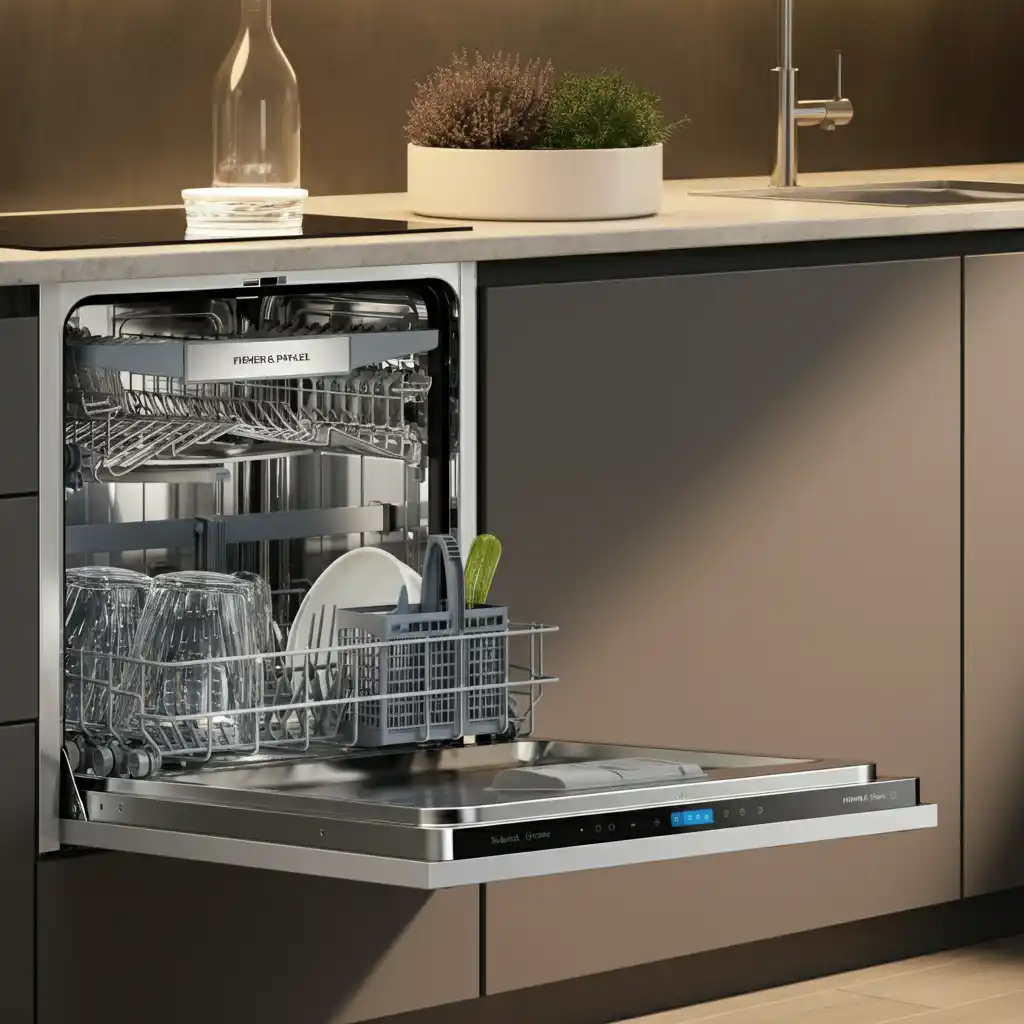
Energy ratings (kWh/year) matter for utility bills, with ENERGY STAR models using 12% less electricity (≤240 kWh/year standard size) than conventional units, saving $35 annually at average rates. Yet this pales against cleaning failures; a $500 efficient model with residue frustrates more than a $700 cleaner that uses 270 kWh. Lifetime savings hit $150-200, significant for 10+ year ownership, but only deliverable through reliable performance.
Trade-offs complicate energy focus: ultra-efficient eco cycles often run longer (3+ hours) or cooler (120°F), compromising soil removal on heavy loads. Buyers notice greasy pans before power bills, making energy a “nice-to-have” after cleaning validation.
Drying Performance: Convenience, Not Core Function
Drying ratings (Residual Moisture Remaining <10%) affect unloading ease, especially for plastics, but rank lowest because manual drying takes seconds versus re-washing dirty loads. Stainless steel tubs excel via condensation (95% dry rates), while plastic tubs retain 20-30% moisture. Fan-assist or zeolite systems boost scores but add $100-200 upfront and 10-20 kWh/cycle.
Wet dishes annoy but don’t invalidate the wash; 40% of users air-dry regardless. Auto-open doors improve results cheaply, making drying enhancements supplementary rather than decisive.
The Interconnected Trade-Offs
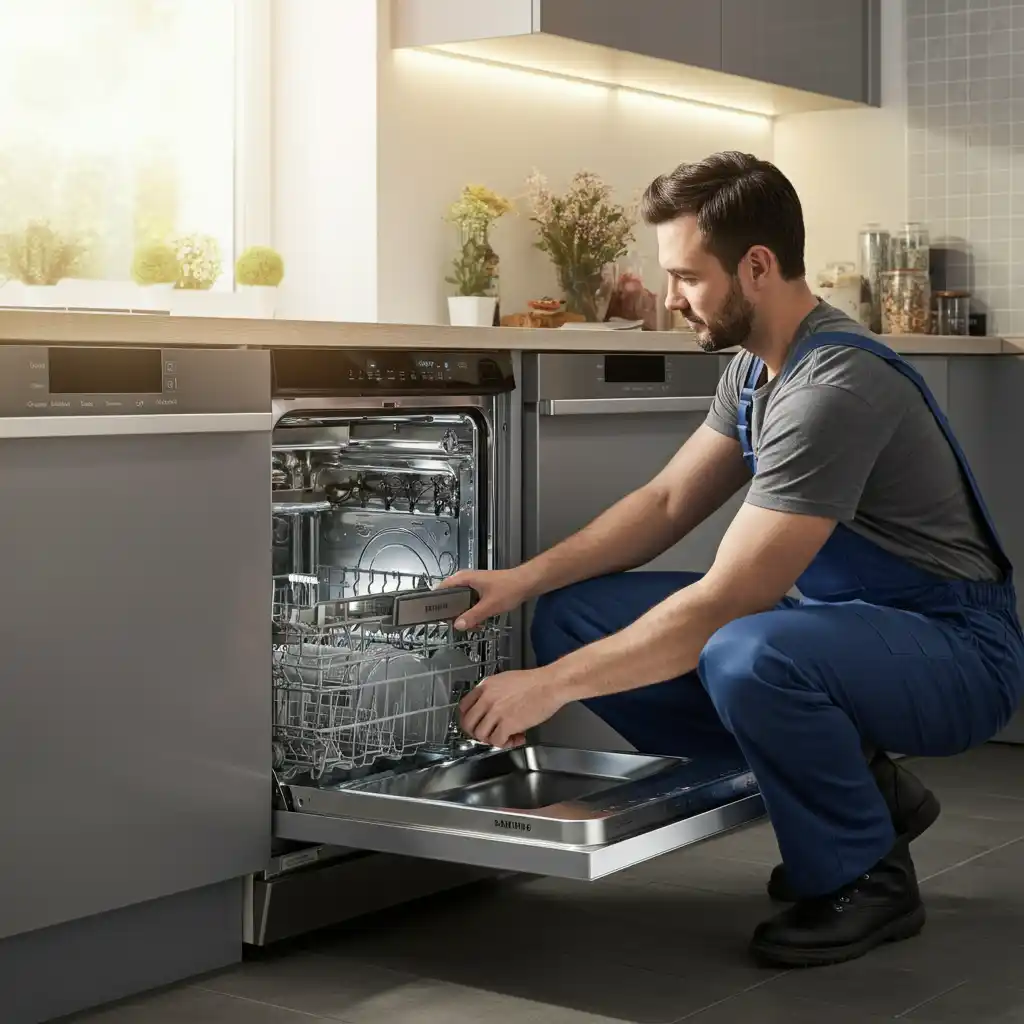
Ratings interlink critically: high drying demands hotter final rinses (140°F+), spiking energy 15-25%; ultra-low energy (<200 kWh) often sacrifices cleaning via shorter/cooler cycles. European A-G labels balance all three (energy class 60%, cleaning/drying 20% each), recognizing no single metric suffices. U.S. ENERGY STAR prioritizes energy/water (kWh/gallon thresholds), assuming adequate cleaning, but real tests reveal gaps.
Optimal models hit 75+ CI, <240 kWh, and <10% RMR simultaneously through inverter motors, soil sensors, and hybrid drying costing 20-30% more but minimizing compromises.
Consumer Priorities by Household Type
- Families/large loads: Cleaning first (greasy pots), energy second (daily cycles), drying least (bulk towel-dry).
- Eco-conscious: Energy leads, but only with 70+ CI no one wants green guilt plus scrubbing.
- Open kitchens: Noise edges drying, but cleaning remains non-negotiable.
- Apartments: Energy/water top due to bills, yet compact models must clean reliably.
Surveys show 82% reject “efficient but dirty” machines outright.
Lab Testing Methodologies
AHAM/Consumer Reports soil 12-item loads (spinach, eggs, oatmeal) across plastics/porcelain, weighing residue post-cycle. ENERGY STAR verifies ≥70 CI on eco/normal; Which? UK weights cleaning/drying 60%, energy 20%. Drying tests measure post-cycle weight loss; energy tracks kWh/gallons over 215-280 simulated years.
Brand Performance Hierarchy
- Cleaning leaders: Miele (85+ CI), Bosch (80+), KitchenAid sacrifice minor efficiency for power.
- Efficiency champs: LG (2.9 gal/cycle), Fisher & Paykel (<200 kWh) adequate cleaning (72 CI).
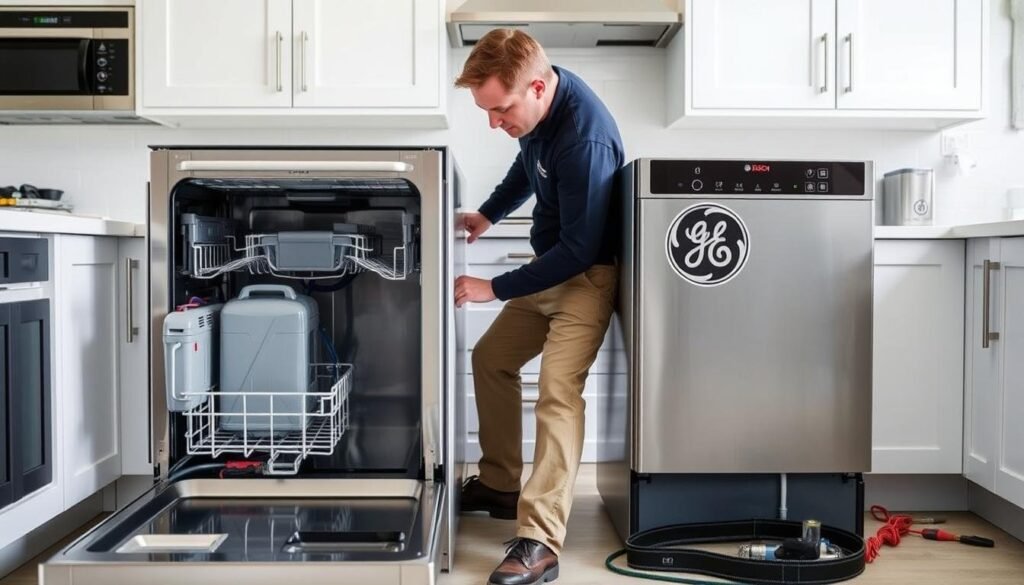
- Balanced: Whirlpool, GE 240 kWh, 75 CI, solid drying.
No brand maxes all three perfectly; prioritize cleaning, filter efficiency.
Long-Term Ownership Impact
Poor cleaning shortens life via overuse/re-rinses; energy savings compound only with retention. A 75 CI/240 kWh model outperforms 65 CI/200 kWh over 10 years through satisfaction and maintenance.
Cost vs Rating Value
$800-1,200 models average 75 CI/240 kWh; $1,500+ hit 82 CI/220 kWh. Extra $300 buys cleaner dishes worth $100/year convenience.
FAQs
Why prioritize cleaning over energy?
Dirty dishes require re-washing (doubling energy); spotless results justify modest efficiency trade-offs.
Does better drying always mean more energy?
Yes hotter rinses (140°F) boost dry rates but add 15-25% kWh; condensation tubs minimize this.
Can I have all three: clean, dry, efficient?
Yes in premium models (Miele G7000: 82 CI, 210 kWh, 5% RMR) via sensors/hybrid tech.
EU vs US: which ratings better balance priorities?
EU A-G weighs cleaning/drying/energy equally; US ENERGY STAR energy-focused but assumes clean baseline.
How much do ratings affect bills?
ENERGY STAR saves $35/year; poor cleaning adds $50/year re-cycles.
Noise vs drying: which matters more?
Cleaning > noise > drying for most; open kitchens flip noise/drying.