
Deep cleaning your dishwasher removes built-up grease, food residue, mineral deposits, and bacteria that cause odors, poor performance, and cloudy glassware. Most manufacturers recommend monthly deep cleans to maintain efficiency and hygiene, especially in hard water areas where limescale accumulates rapidly. This process typically takes 1-2 hours plus cycle time and uses household staples or specialized cleaners for thorough results.
Preparation and Initial Disassembly
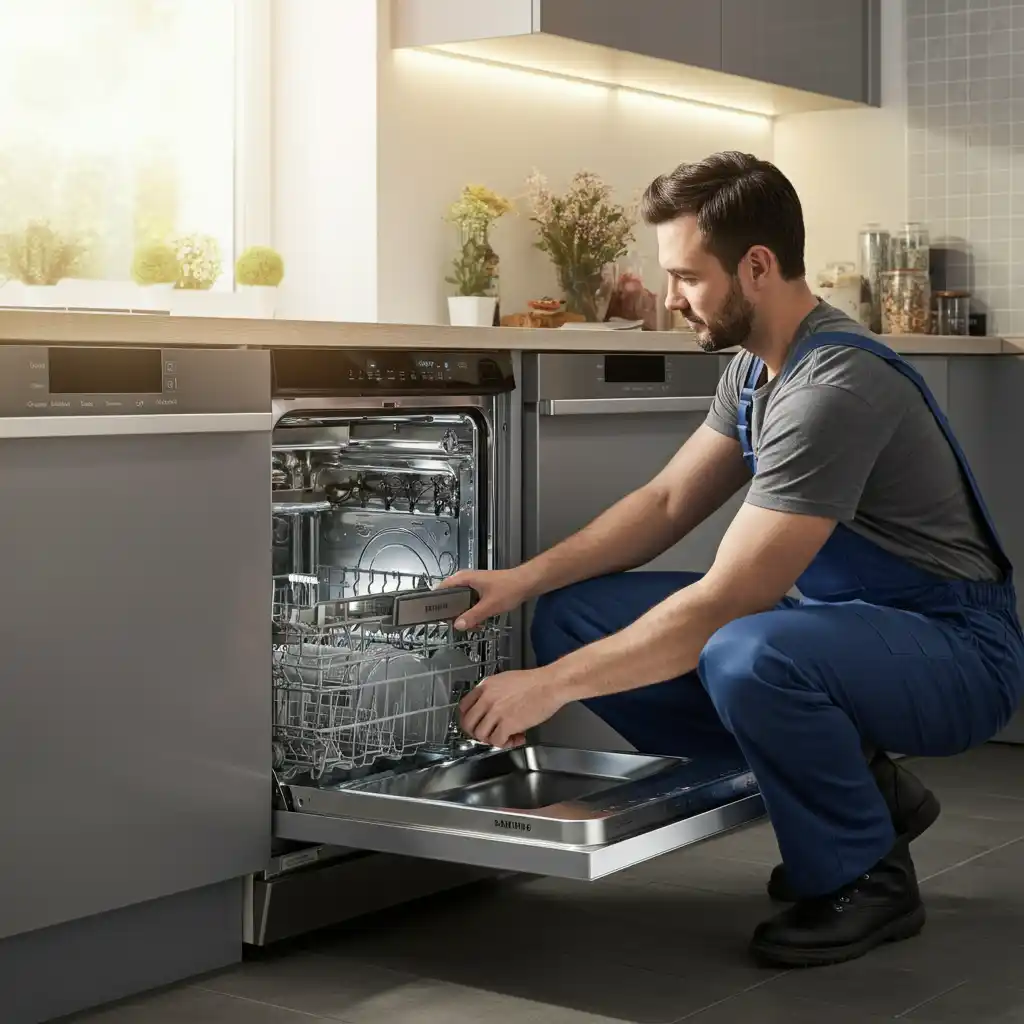
Start by emptying the dishwasher completely, removing all racks, utensils, and any items inside to access all surfaces freely. Locate and remove the filter at the bottom typically a cylindrical or flat screen that twists counterclockwise revealing the drain area prone to food debris buildup. Check your model’s manual for filter type, as some have multi-part designs or additional strainers beneath the lower rack. Wipe away loose crumbs and standing water with paper towels before proceeding to avoid spread.
Preparation and Initial Disassembly
Pouring vinegar into dishwasher
Start by emptying the dishwasher completely, removing all racks, utensils, and any items inside to access all surfaces freely. Locate and remove the filter at the bottom typically a cylindrical or flat screen that twists counterclockwise revealing the drain area prone to food debris buildup. Check your model’s manual for filter type, as some have multi-part designs or additional strainers beneath the lower rack. Wipe away loose crumbs and standing water with paper towels before proceeding to avoid spreading grime.
This shows white vinegar in a measuring cup placed on the top rack, a key step for natural descaling during the empty hot cycle.
Cleaning the Filter and Drain
Soak the filter in hot, soapy water or a vinegar solution for 15-30 minutes to loosen embedded particles, then scrub with an old toothbrush focusing on mesh holes and crevices. The drain sump beneath often harbors slime; scrape it with a plastic scraper or toothbrush, avoiding metal tools that scratch surfaces. Rinse all parts thoroughly under hot water and inspect for damage before reinstalling clogged filters reduce water circulation by up to 50%, forcing the machine to work harder.
Spray Arm Deep Clean
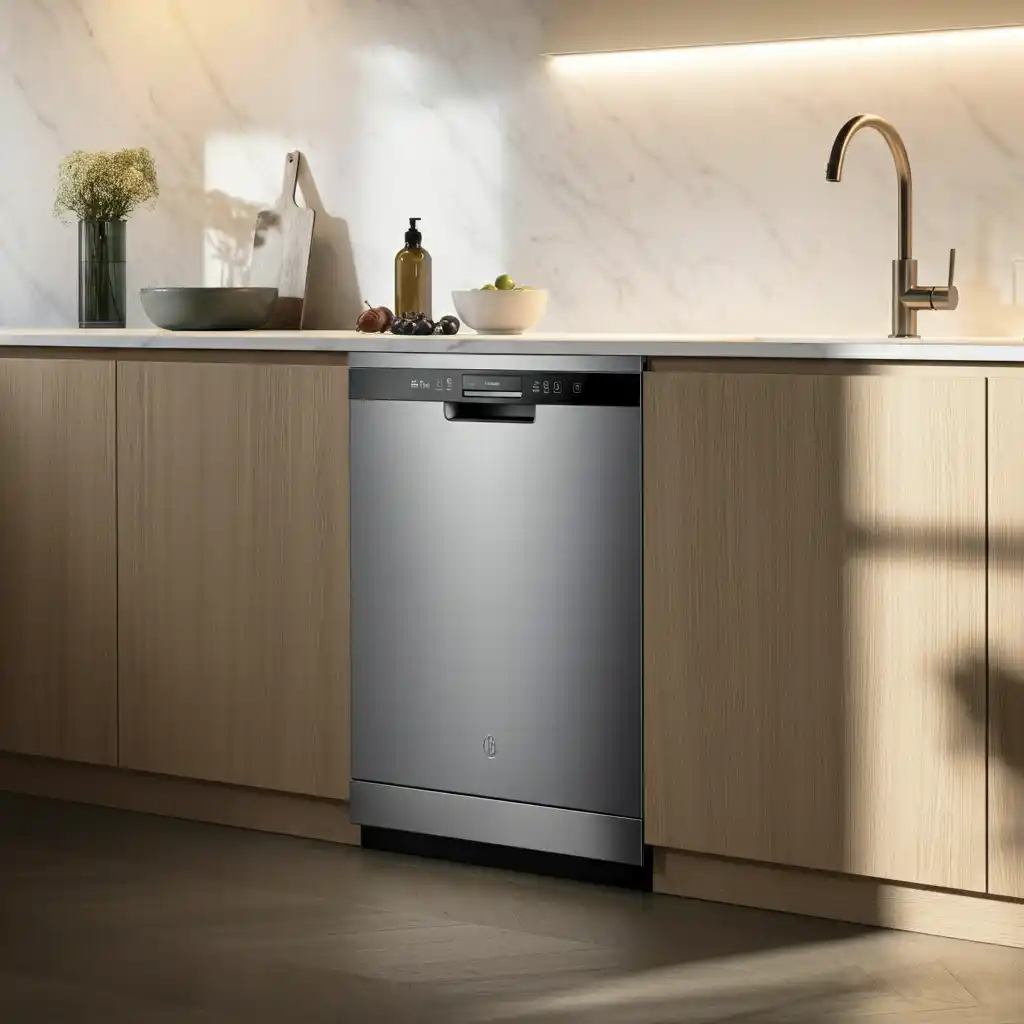
Remove the upper and lower spray arms by twisting or unclipping them, then poke out clogged jet holes with a toothpick, paperclip, or thin wire food particles block 20-30% of nozzles in neglected units. Soak arms in vinegar for 30 minutes to dissolve minerals, scrubbing stubborn spots with a bottle brush. Check the center feed tube for blockages, as restricted flow impairs cleaning power across racks. Reinstall securely to ensure proper spin during cycles.
Here, a hand removes the gray filter from the spray arm assembly, illustrating the disassembly needed for thorough hole cleaning.
Door Seal and Gasket Maintenance
Peel back the door gasket a rubber seal prone to mold and debris and wipe with a vinegar-soaked cloth or mild bleach solution (1:10 dilution), using a toothbrush for crevices. Dry thoroughly with a microfiber towel to prevent mildew regrowth, as damp seals foster bacteria. Inspect for tears, which cause leaks; replace if damaged, costing $20-$50. Clean the door edges and latch area where soap scum builds.
Interior Surfaces and Tub Scrub
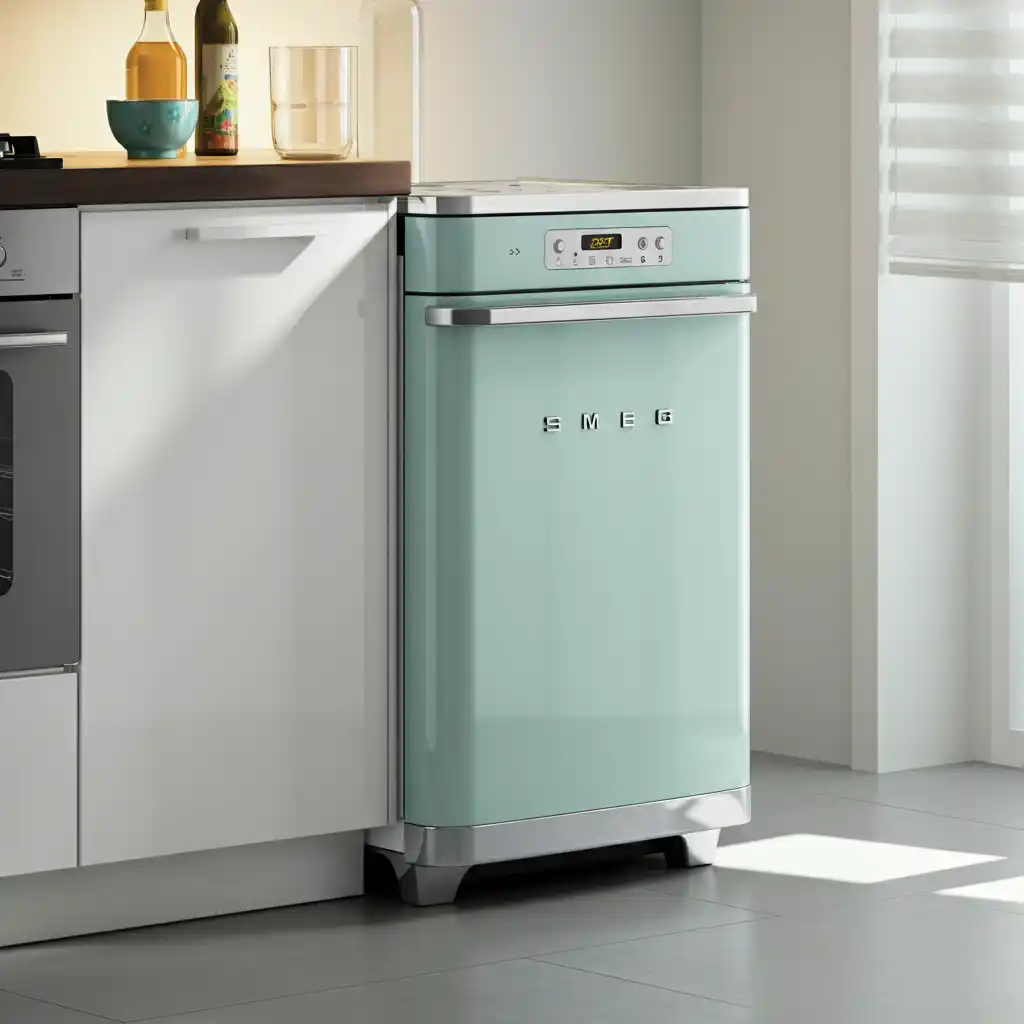
Wipe the tub interior, door interiors, and rack rails with a vinegar-damp sponge, targeting corners and crevices where grease films accumulate. For stainless steel tubs, avoid abrasives; use baking soda paste for tough stains rubbed gently. Clean the detergent dispenser by removing it (if possible) and soaking in hot soapy water, clearing residue that affects dosing accuracy.
Chemical or Natural Cycle Run
Place a commercial dishwasher cleaner tablet (like Affresh) in the detergent cup or bottom, or use 2 cups white vinegar in a top-rack bowl for natural descaling, then run the hottest empty cycle (normal or sanitize). Vinegar dissolves limescale without damaging seals; cleaners tackle grease and biofilm more aggressively. Follow with 1 cup baking soda sprinkled on the bottom for deodorizing on a short hot cycle never mix vinegar and baking soda simultaneously, as they neutralize each other.
Exterior and Control Panel Wipe-Down
Spray the exterior stainless steel with glass cleaner or mild soap solution, buffing with microfiber to remove fingerprints without streaks. Clean the control panel with a damp microfiber cloth never spray liquids directly and dry immediately to protect electronics. For touchscreens, use screen-safe wipes.

Final Reassembly and Prevention
Reinstall all parts, ensuring racks slide smoothly and filters lock securely, then run a test cycle with detergent to verify operation. Prevent buildup by scraping plates, using rinse aid, running hot water before cycles, and avoiding over-nesting. Monthly vinegar cycles and filter checks maintain performance; deep cleans quarterly in hard water areas.
Frequency and Maintenance Schedule
Deep clean monthly for optimal hygiene, or bi-monthly in households with heavy use. Check filters weekly during unloading. Annual pro servicing extends life beyond 10 years.
Common Mistakes to Avoid
Skip bleach on stainless steel (pits surfaces); don’t overload cleaners (foams excessively); avoid abrasive pads (scratches tubs). Never run vinegar/baking soda together.
Natural vs Commercial Cleaners
Vinegar/baking soda suits eco-conscious homes; tablets excel on grease. Alternate for best results.
FAQs
How often should I deep clean my dishwasher?
Monthly for hygiene, quarterly in hard water; check filters weekly.
Can I use vinegar and baking soda together?
No—they neutralize; run separately: vinegar first, then baking soda.
What’s the best homemade dishwasher cleaner?
2 cups white vinegar (top rack) on hot empty cycle, followed by 1 cup baking soda.
How do I clean clogged spray arms?
Remove arms, poke holes with toothpick, soak in vinegar 30 minutes, scrub.
Why clean the door gasket?
Prevents mold, leaks; wipe weekly with vinegar, dry thoroughly.
Is bleach safe for dishwashers?
Diluted yes for gaskets; avoid on stainless steel interiors.
Do I need special cleaners?
Vinegar works; Affresh tablets target grease/biofilm effectively.