
Amana plastic tubs and Frigidaire stainless steel tubs represent the core material difference in budget dishwashers, with Amana prioritizing affordability and stain resistance while Frigidaire emphasizes heat retention, durability, and premium drying performance.
Tub Material Basics
Plastic tubs use BPA-free, food-grade polymers engineered for 120-160°F wash cycles. Stainless steel tubs (typically 304-grade) offer superior heat conduction and corrosion resistance. Hybrid options combine stainless interiors with plastic bottoms exist but neither brand emphasizes them.
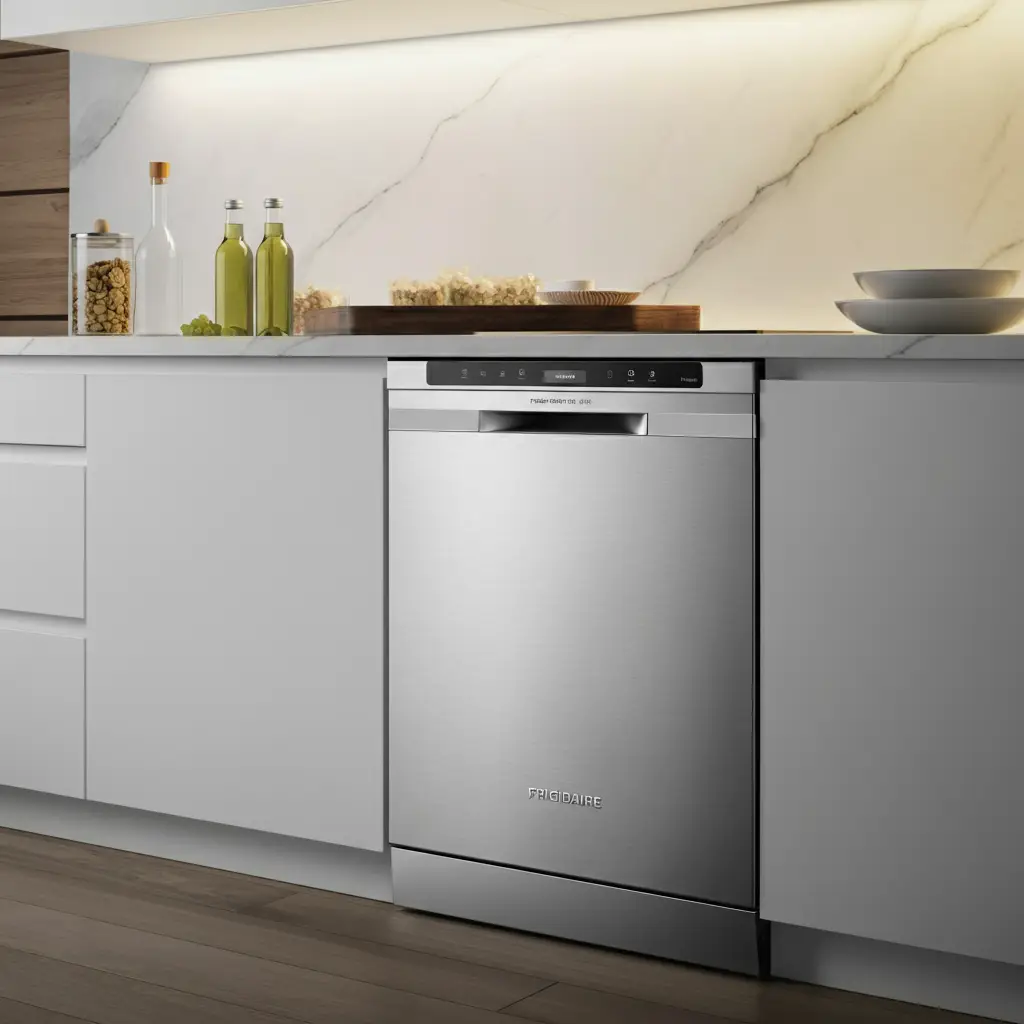
Amana Plastic Tub Performance
Amana’s plastic tubs excel in affordability and visual appeal resists scratches, stains, and hard water marks better than stainless. Lightweight construction cuts manufacturing costs 15-20% passed to consumers. Drawbacks include faster heat loss (20-30% quicker cooling) causing plastic spotting and average odor retention over 5+ years.
Frigidaire Stainless Tub Performance
Frigidaire stainless steel tubs retain heat 25-40% longer enabling better drying, especially plastics and glassware. Superior sanitation reaches higher temperatures killing 99.99% bacteria. Resists odors permanently but fingerprints/smudges require frequent wiping unless Gallery smudge-proof coating applied.
Head-to-Head Tub Comparison
| Aspect | Amana Plastic Tub | Frigidaire Stainless Tub |
|---|---|---|
| Heat Retention | Cools 25% faster | Superior drying performance |
| Durability | 7-10 years average | 10-12 years typical |
| Stain Resistance | Excellent (no water marks) | Average (hard water spotting) |
| Odor Retention | Develops after 5 years | Virtually none |
| Weight | 20% lighter | Heavier construction |
| Cost Impact | $50-100 savings | Premium pricing |
| Maintenance | Wipe only | Fingerprint cleaning |

Key Takeaways for Tub Choice
Amana plastic suits stain-conscious kitchens prioritizing upfront savings; Frigidaire stainless delivers premium drying and longevity worth $75-125 premium for cooking-heavy households.
FAQs about Amana Plastic vs Frigidaire Stainless Tubs
1. Plastic tubs safe high-temperature cycles?
Yes BPA-free food-grade withstands 160°F sanitation cycles safely. Engineered specifically dishwasher use unlike generic plastics.
2. Stainless really dry plastics better?
Yes retains 25-40% more heat cutting spot formation 50%. Amana’s plastic cools rapidly causing Tupperware water marks.
3. Amana’s stain resistance legitimate advantage?
Absolutely plastic never water-spots or fingerprints like stainless. Kitchen focal point stays pristine years without polishing.
4. Odor development timeline plastic vs stainless?
Amana plastic: faint odors year 5-7 heavy use; Frigidaire stainless: virtually permanent odor resistance regardless usage.
5. Stainless tub worth $100 price premium?
Yes for drying performance + 2-3 year lifespan extension. Amana plastic maximizes dollar value stain-free appearance.
6. Hard water impact different materials?
Amana plastic resists mineral deposits entirely; Frigidaire stainless shows white film requiring monthly citric acid descaling.
7. Weight difference installation impact?
Amana 20% lighter eases solo install; Frigidaire requires two-person lift. Both fit standard cutouts identically.
8. Plastic tub crack after dropping utensils?
Rare impact-resistant polymers handle normal abuse. Stainless dents but never cracks under typical household use.
9. Bacteria growth stainless vs plastic?
Stainless reaches 162°F sanitation killing 99.99%; plastic adequate 155°F High Temp. Both safe immunocompromised households.
10. Long-term appearance winner?
Amana plastic stays pristine indefinitely; Frigidaire stainless fingerprints dull finish without smudge-proof coating.